Eco-Friendly Approaches: How E-Waste Recycling Services Are Preserving Our Planet
E-waste poses significant threats to the environment, as discarded electronics often contain toxic materials. These toxic materials have the potential to taint soil and water sources, resulting in widespread environmental harm. E-waste recycling initiatives provide a practical answer. They successfully retrieve useful resources while simultaneously minimizing environmental pollution. Gaining insight into how these programs function and affect local communities is critical. The journey towards effective e-waste management raises critical questions about individual responsibility and collective action. What measures can be pursued from this point onward?
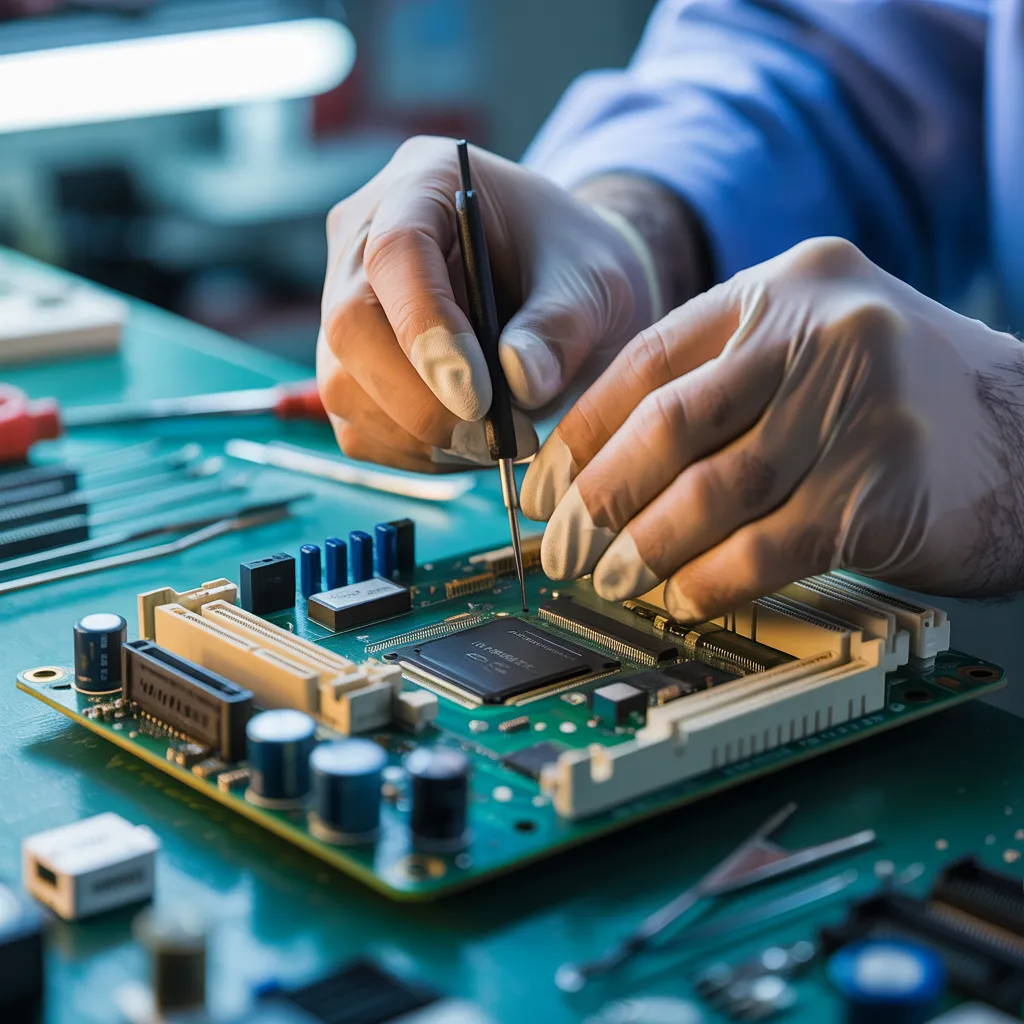
Why E-Waste Poses a Threat to the Planet
Even though technological advancements improve our daily lives, e-waste poses significant environmental threats. Abandoned electronic gadgets, commonly laden with dangerous compounds like lead, mercury, and cadmium, can leach toxins into the surrounding soil and water supply, presenting dangers to human health and ecosystems. The rapid pace of technological advancement contributes to increased consumer turnover of electronics, intensifying the growing problem of discarded electronic materials.
Landfills, already overwhelmed with refuse, find it difficult to handle the increasing amounts of discarded devices. Incineration, another disposal method, releases harmful pollutants into the atmosphere, contributing to air quality degradation. Moreover, poor recycling procedures can cause e-waste to be sent to developing regions, where employees may disassemble electronics without sufficient safety precautions, leaving them vulnerable to harmful substances. This pattern of negligence and mismanagement highlights the critical demand for eco-friendly recycling alternatives that can reduce the damaging impact of electronic waste on the environment.
Understanding E-Waste and Its Significance
E-waste, also referred to as electronic waste, comprises obsolete electronic products like computers, smartphones, and televisions that have exceeded their operational lifespan. This rapidly expanding waste category is noteworthy owing to its accelerating volume, propelled by advances in technology and evolving consumer behaviors. With an increasing number of devices reaching obsolescence, the toll on the environment grows more severe, with harmful substances like lead, mercury, and cadmium posing risks to ecosystems and human health.
The importance of addressing e-waste lies not only in mitigating these hazards but also in recognizing the valuable materials it contains. Critical metals and rare earth components can be reclaimed and recycled, decreasing the reliance on mining and protecting natural resources. By understanding e-waste and its implications, individuals and organizations can make informed decisions about disposal and recycling, ultimately contributing to a more sustainable future. Responsible management of e-waste plays a key role in supporting a circular economy and championing environmental stewardship.
How E-Waste Recycling Works
The recycling of e-waste encompasses a structured approach aimed at reclaiming useful resources while limiting ecological damage. To begin, e-waste is collected and transported to purpose-built recycling plants. Upon arrival, the equipment is meticulously organized to separate hazardous components from recyclable materials.
Next, employees deconstruct the devices, removing plastics, metals, and glass. This stage is crucial, as it allows for the recovery of precious metals like gold, silver, and copper, which are repurposed in new electronic devices.
Next, the sorted materials are treated with advanced techniques, such as shredding and specialized chemical treatments, to refine them for repurposing.
In the final step, the remaining hazardous waste is handled with responsibility, following environmental guidelines. This systematic method not only preserves valuable resources but also reduces the dangers connected to unsafe e-waste handling, guaranteeing a greener future for electronic consumption.
Benefits of E-Waste Recycling for You and Your Community
Although it often goes unnoticed, the benefits of e-waste recycling go far beyond individual benefit and actively shape entire communities. By responsibly disposing of electronic waste, individuals contribute to a safer See more environment, reducing harmful substances that can leach into soil and water. This proactive approach actively safeguards local ecosystems and promotes public health.
In addition, e-waste recycling promotes job creation within communities. Community recycling operations commonly require workers for diverse activities, including collection and processing, therefore offering work opportunities within the community. This not only stimulates the local economy but also encourages community engagement in sustainable practices.
Furthermore, knowledge about e-waste recycling has the potential to generate educational initiatives, empowering residents to pursue greener alternatives. By engaging with e-waste recycling programs, individuals foster a culture of sustainability, prompting others to embrace similar practices. In summary, the combined impact of these actions can create a more strong and environmentally aware community.
How to Select an E-Waste Recycling Service
Picking the best e-waste disposal service is crucial for making sure that electronic refuse is processed in a responsible and sustainable manner. To begin, individuals should verify the provider's credentials, such as R2 and e-Stewards certifications, which demonstrate adherence to professional guidelines for responsible recycling methods. It is equally important to examine the organization's standing by reviewing feedback and looking for referrals from reliable sources.
Next, openness in the recycling process is crucial. A dependable company should supply straightforward details about the way e-waste is handled and what happens to the materials. Additionally, evaluating the range of services offered can be beneficial; some companies may provide pickup services or offer incentives for recycling.
Ultimately, learning about area-specific requirements for e-waste disposal can additionally influence the decision-making process. By prioritizing these factors, consumers can play a role in effective e-waste management while supporting green and responsible behaviors.
Ways You Can Participate in E-Waste Recycling?
Engaging in e-waste recycling may begin at the local level, where community recycling hubs often provide essential services for responsible disposal. Moreover, taking part in community awareness campaigns can strengthen efforts to inform others regarding the importance of proper e-waste handling. These actions not only encourage sustainable practices but also build a collective sense of responsibility toward the environment.
Regional Recycling Centers
Several neighborhood recycling stations serve a vital function in electronic waste recycling, offering communities convenient opportunities to discard electronic waste in an eco-friendly way. These centers accept a selection of digital devices, including aging computers, cell phones, and television sets, ensuring that harmful materials are handled safely. The majority of facilities employ trained staff who help individuals navigate appropriate disposal procedures, emphasizing the importance of recycling over landfilling. Furthermore, several stations organize scheduled drop-off occasions or specific collection dates, making it easy for residents to participate. By utilizing these local services, individuals contribute to a circular economy, decreasing environmental damage and advancing sustainable approaches. Connecting with these stations enables communities to combat e-waste pollution successfully.
Community Awareness Campaigns
Community groups, educational institutions, and companies can work together to organize events that support e-waste collection drives. Community members can serve a critical function in spreading awareness, distributing educational materials, and engaging with the community. As a result of these combined actions, residents become more informed and motivated to recycle their electronic waste, thereby helping to build a greener and more sustainable tomorrow.
Questions We Often Receive
What Kinds of Electronics Can Be Recycled?
Various electronics are able to be recycled, including laptops, televisions, smartphones, printers, computers, and gaming consoles. Additionally, accessories such as batteries, keyboards, and mice are also suitable for recycling, supporting efforts to conserve the environment.
Are There Fees Involved With E-Waste Recycling?
That's correct, electronic waste recycling may involve costs, depending on the provider. Some service centers impose charges for collection or processing, while others make services available at no charge, typically funded by the proceeds from salvaged materials.
How Can Businesses Benefit From E-Waste Recycling?
Companies can take advantage of e-waste recycling by lowering disposal expenses, improving their green reputation, adhering to regulatory requirements, recovering valuable materials, and potentially generating revenue through resale, ultimately contributing to a more sustainable operational strategy.
What Occurs with Data on Recycled Devices?
Details from recycled electronics is commonly completely removed or destroyed throughout the recycling process. This guarantees sensitive information remains secure, stopping improper access while allowing resources to be recycled safely and responsibly within new applications.
Can I Recycle Broken Electronics?
Yes, defective electronics may be recycled. Many facilities take in non-functioning devices, ensuring responsible disposal and retrieval of precious materials. It helps lower harm to the environment while supporting sustainable recycling habits to manage electrical waste properly.